Your gut is the gateway to your body and your general well-being.
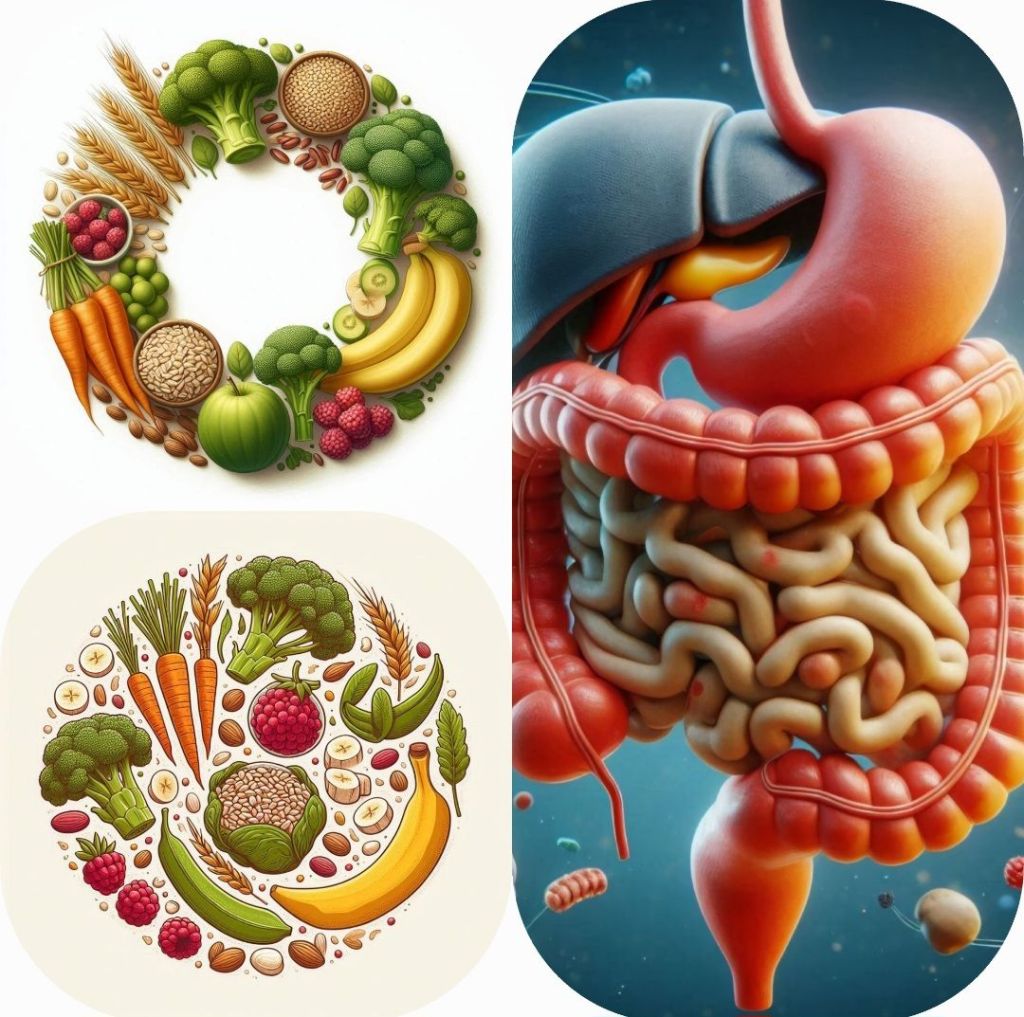
The gut, together with its resident microbes/gut microbiome (natural beneficial gut microorganisms,, mostly bacteria, yes you read that right, gut health good bacteria and other microorganisms in the right quantity), not only digests and absorbs nutrients, but also serves as an important barrier and communication hub between the external environment (what you eat and drink) and your internal systems.
So how do you keep this important gateway, your gut, healthy and functioning properly always? Here are some time tested methods and recent research finding methods.
Time-Tested (Old) Approaches
• Eat More Fiber
Consuming a variety of fiber-rich foods (whole grains, legumes, fruits, and vegetables) feeds beneficial gut bacteria and promotes regular digestion.
• Eat Fermented Foods
Traditional fermented foods like yogurt, introduce beneficial bacteria to the gut.
• Stay Hydrated
Drinking enough water daily supports digestion, nutrient absorption and helps maintain a healthy gut environment.
• Eat a Variety/Diverse Diet or meals
Including a wide range of plant-based foods increases the diversity of your gut microbiome, which is linked to better gut health.
• Eat Slowly and Chew Thoroughly
Taking time to eat and chew food well can reduce digestive discomfort and support better nutrient absorption.
• Limit Ultra-Processed Foods
Reducing consumption of highly processed foods (with added sugars, unhealthy fats, and additives) helps maintain a healthy gut microbiome.
• Manage Stress and Get Enough Sleep
Chronic stress and poor sleep can negatively affect gut health. Practices like meditation, yoga, and good sleep hygiene are beneficial.
New & Recently Researched Approaches.
• Plant-Based & Flexitarian Diets
Recent research emphasizes the benefits of mostly plant-based diets (with occasional animal products) for microbial diversity and gut health.
• Polyphenol-Rich Foods
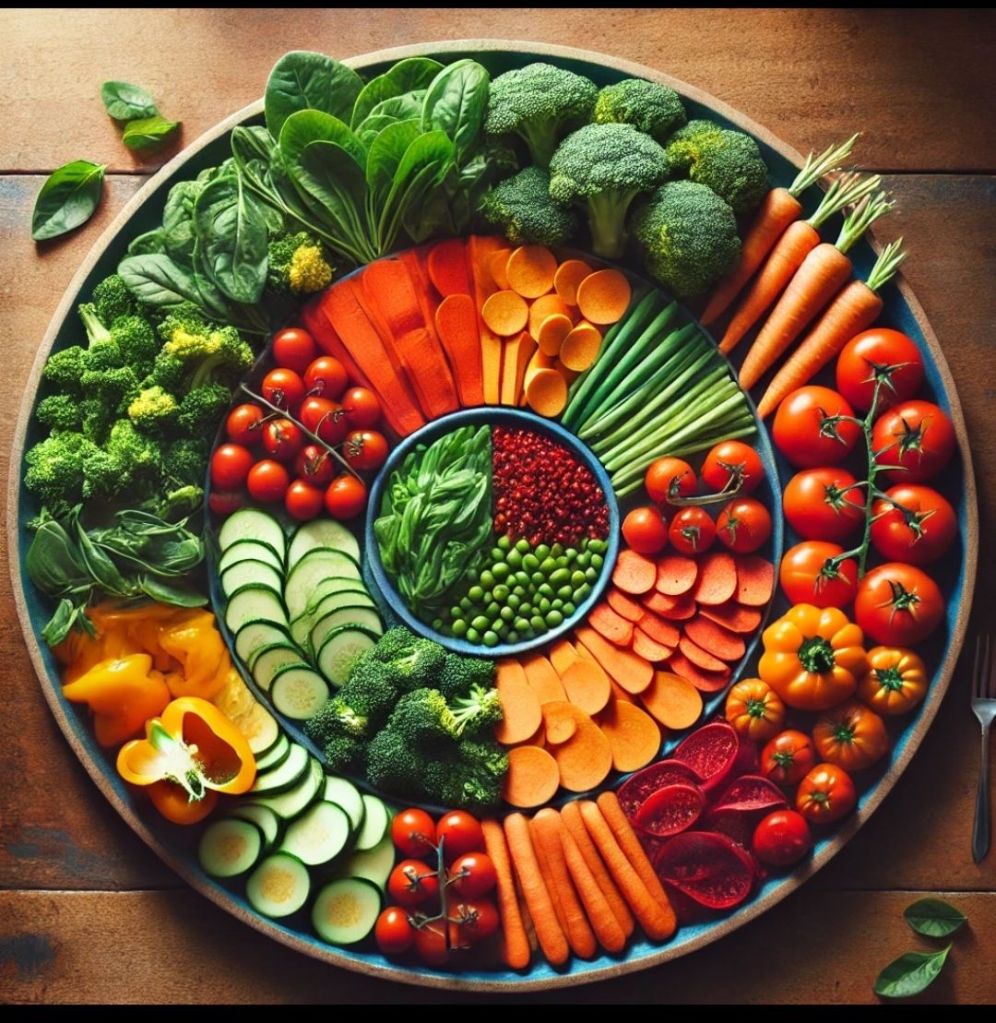
Foods high in polyphenols (colorful fruits and vegetables, nuts, seeds, tea, dark chocolate) support beneficial gut bacteria.
• Anti-Inflammatory Ingredients
Incorporating turmeric, ginger, and omega-3 fatty acids for their gut-soothing and anti-inflammatory effects is a growing trend.
• Prebiotic Fiber Focus
New studies highlight the importance of prebiotic fibers (found in onions, garlic, leeks, bananas, and asparagus) in feeding good gut bacteria.
• Probiotic Innovations
There are advances in probiotic foods and supplements, including next-generation strains of these gut microbes and precision delivery systems, are making it easier to maintain gut health.
– Differentiating between Prebiotic and Probiotic. Probiotics are live microorganisms, like bacteria or yeast, that are added to the body to improve the balance of gut flora, while Prebiotics are a type of dietary fiber that serves as food for these beneficial bacteria, helping them grow and flourish in your gut to keep it healthy.
These Prebiotic and Probiotic supplements are commonly used in an regions where the environment is relatively clean with limited opportunity for the external in-take or consumption of harmful microorganisms ; as one will not want to overwhelm the body with too many microbes.
• Regular “Gut Reset” Practices
The practice of short-term dietary resets (that is, increasing water, fiber, and fermented foods for a few days) are gaining popularity for quickly improving gut flora balance.
Whether you decide to retain/return to the time tested traditional, or modern pre/probiotic Innovations and new ways to maintain a healthy gut; work with your health provider when you need personalized health advice on your gut health.
For more readings, here are related article on this topic
- Harvard Health Education website
- US National Library of Medicine on Omega-3 fatty acids and inflammation
Visit the Pat_Health&Wellness pages for a lot more simple and uncomplicated tips and tools, to support you on your health and wellness journey.
Cheers and live healthy daily!
 Pat_Health&Wellness Tools
Leave a comment